



A loft conversion in the UK typically costs between £20,000 and £75,000 or more, depending on the type of conversion, the size of your property, its location and the specification you choose. For most homeowners, a straightforward Velux conversion sits at the lower end of that range, while a full Mansard conversion with an en-suite bathroom at the higher end.
This guide walks you through every layer of loft conversion pricing, from the different conversion types and the factors that push costs up or down, to planning and design fees, a realistic cost breakdown, and practical advice on keeping your budget under control. Whether you are just starting to research or ready to get drawings underway, you will find clear, honest figures here.
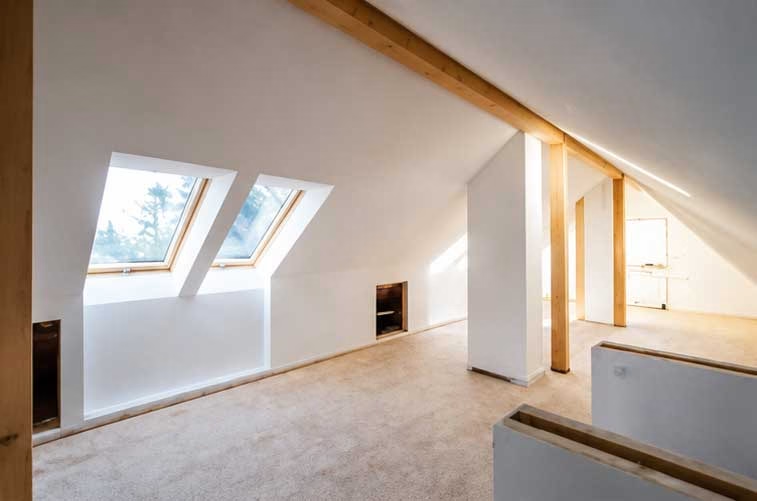
🧩 How Much Does a Loft Conversion Cost in the UK?
The most straightforward answer is this: budget between £20,000 and £75,000 for a loft conversion in the UK in 2026, with the majority of standard projects falling somewhere between £30,000 and £55,000 once all costs are accounted for. That range is wide because loft conversions are not a single product, they span everything from a simple rooflight conversion to a complex, architect-designed Mansard with a full bathroom and bespoke staircase.
Price is shaped by four main variables: the type of conversion you choose, the size and existing headroom of your loft space, where in the UK you live, and the internal specification you opt for. A homeowner in Leeds planning a dormer conversion will face different labour costs from someone doing the same project in London, and a basic bedroom finish costs far less than a fully tiled en-suite with underfloor heating.
The sections below break each of those variables down so you can build a realistic picture of what your specific project is likely to cost, and where there is room to make savings without cutting corners.
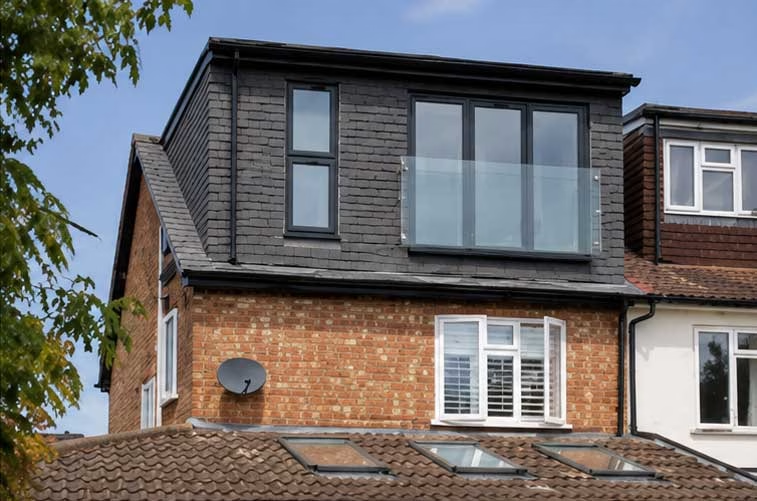
🧩 Loft Conversion Cost by Type
Velux / rooflight conversion is the most affordable option, typically costing between £20,000 and £30,000. Because no structural changes are made to the roofline, only windows are added within the existing roof slope, labour and materials are relatively modest. It suits lofts that already have sufficient head height and is almost always covered by permitted development, which keeps design and planning fees lower too.
Dormer loft conversion is the most popular choice among UK homeowners, and for good reason, it creates genuine, usable floor space by extending vertically from the roof slope. Costs generally range from £35,000 to £55,000, though larger or more complex dormers on substantial properties can exceed that. The main variables are the size of the dormer box, the number of windows, and whether an en-suite bathroom is included.
Hip to gable conversion applies specifically to hipped-roof properties, typically detached or semi-detached homes where one or more roof slopes run diagonally back to the ridge. Converting that hip into a vertical gable wall creates substantially more internal space. Expect to budget £40,000 to £55,000, and often more when combined with a rear dormer. Mansard conversions sit at the premium end, usually £50,000 to £75,000 or above, because the entire roof structure is rebuilt at a shallower pitch with a near-vertical rear wall, almost always requiring full planning permission. L-shaped dormers, popular on Victorian terraced and semi-detached homes, combine a rear dormer with a smaller side return dormer and typically cost £45,000 to £65,000, reflecting the additional structural and roofing work involved.
Have any questions?
Contact the experts today!
🧱 What Affects the Cost of a Loft Conversion?
Size and headroom are the starting point. Building regulations require a minimum head height of 2.2 metres at the ridge for a habitable room. If your existing loft falls short, the structural solution, whether raising the ridge or forming a dormer, adds both complexity and cost. A larger floor area also means more structural timber, more insulation, larger staircases and, almost always, longer on-site time. Number of rooms and bathrooms has a significant impact. A single bedroom without plumbing is the simplest scenario. Add an en-suite and you are immediately introducing soil pipe runs, possibly a separate hot water supply, floor waterproofing and tiling, typically adding £4,000 to £8,000 to the overall cost depending on specification. Two rooms, a landing and a bathroom represent the more expensive end of standard conversions. Materials, glazing and finish specification give you real control over your budget. Timber-framed dormers clad in zinc or slate cost more than felt covered ply, and triple glazed roof windows cost more than standard double glazed units. Internally, the difference between a basic plaster and paint finish and a fully fitted, high-specification room can easily be £10,000 or more. Location also matters: labour rates in London are typically 20 – 30% higher than in Yorkshire, and material delivery costs vary too. For projects across our areas of operation, from Leeds and West Yorkshire through to Manchester, Birmingham and beyond, local labour market conditions will always be a factor worth discussing early.

💡 Loft Conversion Costs: Planning and Design Fees
Not every loft conversion needs full planning permission. Under permitted development rights, most Velux and rear dormer conversions can proceed without a planning application, provided they stay within defined volume limits and do not alter the front roofline. However, Mansard conversions, hip-to-gable work on many property types, and any property in a conservation area or Article 4 direction zone will require a full planning application. It is always worth confirming your permitted development position before assuming, getting it wrong is an expensive mistake.
Architectural drawings for a loft conversion, including planning drawings where needed, typically cost between £1,500 and £3,500 depending on complexity. Building control drawings, which are the detailed technical package submitted to building control for sign-off, are separate and usually add a further £1,000 to £2,500. Structural calculations, carried out by a structural engineer, are essential for any conversion that alters the roof structure and typically cost £500 to £1,500. Building control application fees themselves (paid to the local authority or an approved inspector) generally range from £400 to £800 for a loft conversion.
One of the clearest ways to keep design costs manageable, and avoid costly gaps between consultants, is to use a single team for the full design package, from initial planning drawings through to building control approval. At Paddick Engineering, that is exactly how we work: architectural design, structural engineering and building control drawings all handled under one roof, with over 45 years of experience behind every set of drawings.
💡 Average Cost Breakdown: What Are You Actually Paying For?
Labour typically accounts for 50 – 60% of the total project cost. For a standard dormer conversion this covers the structural carpentry (new floor joists, dormer frame, ridge modifications), roofing, plastering, first and second fix electrics, and plumbing if a bathroom is included. Groundworks are rarely significant for loft conversions unless a new structural beam requires padstone supports at a lower level, but this should be identified in the structural design phase.
Materials make up roughly 30 – 40% of costs and include structural timber, steel beams where required, rigid insulation, roof membranes, tiles or cladding for the dormer cheeks and roof, roof windows or dormer windows, the new staircase, and internal finishes. The staircase alone can range from around £1,500 for a prefabricated timber flight to £8,000 or more for a bespoke design, it is worth deciding early how much floor space you can give up on the floor below.
Professional fees architectural design, structural engineering, building control drawings and planning application fees, typically represent 8 – 15% of the total project cost and are money very well spent. Cutting corners here is the single most common cause of costly on site problems or failed building control inspections. VAT is charged at the standard rate of 20% on both labour and materials for a loft conversion (unlike some new-build work, residential conversions do not attract a reduced VAT rate), so always confirm whether quotes are inclusive or exclusive of VAT before comparing them.

Frequently Asked Questions About Loft Conversion Costs
Got questions about loft conversions? You’re not alone. Here are the answers to the things people ask us most, whether you’re thinking about your own home, buying a property with potential, or just doing your homework
How much does a loft conversion cost in the UK on average?
The average cost of a loft conversion in the UK in 2025 sits between £30,000 and £55,000 for most standard projects, with simple Velux conversions starting around £20,000 and full Mansard conversions reaching £75,000 or above. The final figure depends on conversion type, property size, location and internal specification.
How much does a dormer loft conversion cost?
A dormer loft conversion typically costs between £35,000 and £55,000 in the UK, making it the most popular type due to the balance it strikes between cost and usable space gained. Larger dormers, premium materials or the addition of an en-suite bathroom will push costs toward or beyond the upper end of that range.
Do I need planning permission for a loft conversion?
Many loft conversions, including most rear dormers and Velux conversions, fall under permitted development and do not need a full planning application, provided they meet size and design criteria. Mansard conversions, hip to gable works and any project on a listed building or in a conservation area generally do require planning permission. It is always worth having a professional confirm your permitted development position before starting.
Does a loft conversion add value to my home?
Yes, a well designed loft conversion is widely regarded as one of the most cost-effective home improvements in terms of added property value, often increasing a home’s value by 15 – 20% and adding a bedroom that makes the property more marketable. The actual uplift depends on your local property market and the quality of the conversion.
How long does a loft conversion take from start to finish?
On site, most loft conversions take between six and twelve weeks to complete, depending on type and complexity. Factor in time for design, planning (if required) and building control approval before work begins, realistically, the full process from first appointment to completion is typically four to eight months.
Is a dormer loft conversion worth the extra cost over a Velux conversion?
For most homeowners, yes, a dormer conversion creates significantly more usable floor space and head height than a rooflight-only conversion, which translates directly into a more liveable room and a greater uplift in property value. If your loft already has good head height and you simply need light and ventilation, a Velux conversion may be sufficient and considerably cheaper.
What is included in professional design fees for a loft conversion?
A comprehensive design package covers architectural planning drawings (if planning permission is required), building control drawings detailing the structural and technical specification, structural calculations, and liaison with building control through to approval. At Paddick Engineering, all of these are handled by one experienced team, avoiding the gaps and delays that arise when multiple separate consultants are involved.
How much do structural calculations cost for a loft conversion?
Structural calculations for a loft conversion typically cost between £500 and £1,500, depending on the complexity of the roof structure and whether steel beams are required. They are an essential part of the building control submission and cannot be omitted, under engineered roof structures are a serious safety and legal risk.